
The Strategic Communications Playbook: How Public Sector Institutions Can Build Trust and Drive Real Impact

In the public sector, communication is often treated as a late-stage broadcast tool, a microphone used to announce policies after decisions have already been made. But when government agencies view communications merely as a press release factory, they miss its most critical purpose.
Strategic communication in government isn’t about PR or propaganda. It is the core operational engine that bridges the gap between public policy and civic participation. When executed with intent, empathy, and rigour, strategic communications transforms public institutions from distant bureaucracies into trusted community partners.
In addition, trust in government continues to decline because communications practise is yet to embrace the much, needed paradigm shift from traditional PR to strategic communication or from top-down communications to horizontal and inclusive.
Regrettably, the over-politicization of communications has also stifled the practise in contemporary context, especially in countries like Nigeria, where the line between public service and political discourse is very thin. Navigating this boundary can be challenging for public sector communicators but it is a complexity that needs to be tackled head on.
-
- The challenge of the future is for public sector communicators to positively influence the paradigm shift to a more strategic approach to communication and steer the practise towards reputation management and trust building with positive benefits for the institution and public sector leaders.
Here is how forward-thinking public institutions should aim to leverage eight core strategic communication pillars to build trust, drive behavior change, and deliver measurable impact.
1. Trust Building: Partnering with Citizens, Not Antagonizing Them
Trust is the single most valuable asset a public institution possesses, yet it is often the hardest to build and the easiest to lose.
Building trust requires a fundamental shift in posture: moving away from defensive, adversarial responses when criticism arises, and moving toward radical transparency. Instead of treating citizen feedback or pushback as a threat to be managed, effective public sector communicators treat it as vital input.
- The Strategy: Communicate early and often, even when you don’t have all the answers. Acknowledge friction points directly rather than ignoring them.
- The Goal: Foster a non-antagonistic relationship where citizens feel respected, heard, and valued as stakeholders in their own governance.
- The Tactics: Watch your tone, language and body language. Do not come across as patronizing or defensive or derogatory. Do not assume that critique or criticism is equal to opposition.
- The Approach: The approach should be one of explanation and not of deflection or denial.
2. Reputation Management: Treating Reputation as Capital
The Nigerian public sector needs to understand that long-term reputation is more important than short-term political expediency. An institution’s reputation is not a passive vanity metric. It is social and political currency. Like monetary currency, reputation must be continuously deposited into during stable times so it can be drawn upon when crises inevitably strike.
- Investing Reputation: Consistently delivering clear, empathetic, and reliable communication builds a reservoir of public patience and goodwill.
- Protecting Reputation: When an operational failure or public crisis occurs, an institution with high “reputation equity” can communicate transparently, take accountability, and retain the benefit of the doubt while resolving the issue.
- Citizen–centricity: Citizens must be identified as a key stakeholder metric and the focus should not be on speaking to allies alone while casting aspersions on perceieved opposition. Public sector communication must be able to differentiate between public service communication and political rhethoric.
- Trusted Voice: Public sector communicators must also work hard to preserve institutional trust and not sacrifice it on the altar of political expediency. This requires a careful balance. Every communicator must learn how to manage the political egos and frailities in this space as much as possible, otherwise institutional voice will pay the price in a very negative way.
3. Brand Visibility: Occupying Space in Hearts and Minds
A public sector agency’s brand is much more than a logo on a letterhead; it is the total sum of every interaction a citizen has with that government entity.
If citizens don’t know a service exists, or if they find the agency cold, confusing, and unapproachable, the institution fails to deliver full value. Maintaining high brand visibility ensures that the institution occupies a clear, respected, and accessible space in the everyday lives of the public.
Many public sector officials shy away from high visibility in the public space because they believe it would attract negative scrutiny. However, maintaining complete invisibility also makes it difficult to justify impact when the time comes. It is far better to maintain a balanced approch of measured presence and visibility i.e. not too high and not too low.
It is also very important for every public institution to ensure it occupies a unique space and identity in the hearts and minds of its most important stakeholder groups and a lot of that would depend on performance, service delivery, stakeholder management and also communications.
4. Goodwill: Demonstrating a Culture of Genuine Service
Goodwill cannot be bought or demanded; it must be earned through a visible, demonstrated culture of service.
- When communications reflect authentic empathy, clear language, and a genuine desire to make citizens’ lives easier, the public notices.
- Transparency about process timelines and humanized storytelling show that the agency exists to serve the public, not the other way around.
- Factual responses that are independently verifiable goes a long way to building trust.
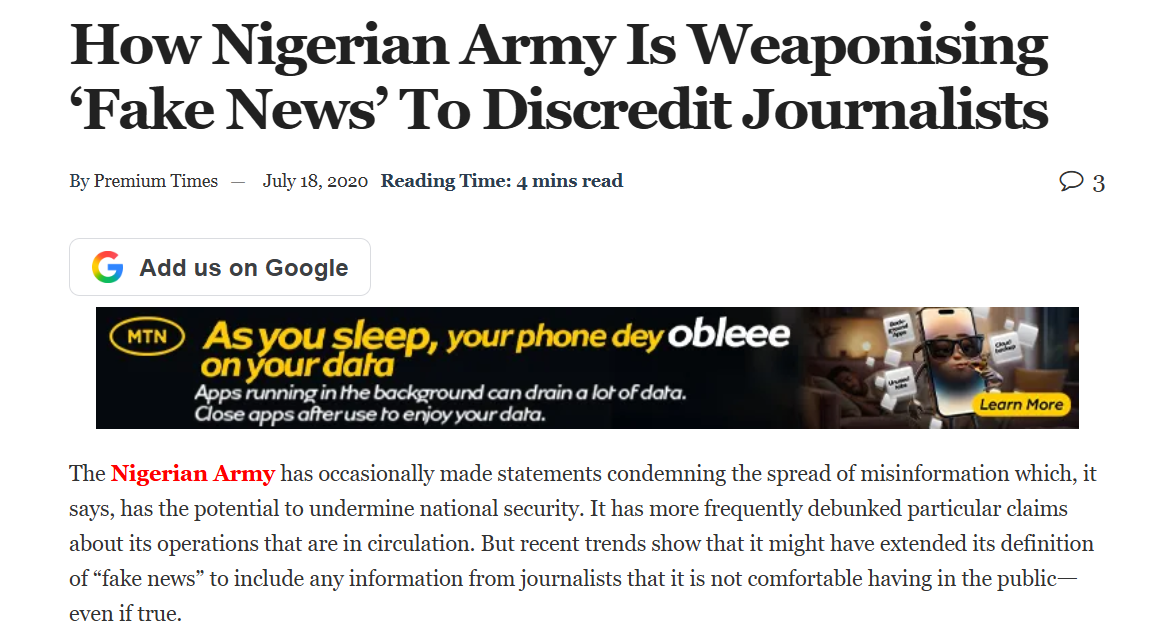
Public sector communicators need to work hard to coach leaders into modelling a more authentic brand of engagement with the public and in media. The rise of social media means that people have opportunity to discuss and analyse every move of the government and just doing things in the business as usual way is not enough.
5. Shared Vision: Explaining Policy, Not Just Throwing It at People
One of the most common pitfalls in government communication is treating policy as a directive to be dropped onto the public. Dropping complex regulations onto citizens without context breeds confusion, compliance fatigue, and resentment.
Strategic communication focuses on policy translation:
- Explaining the “Why” behind a initiative before introducing the “What.”
- Linking daily government decisions to long-term community benefits.
- Unifying leadership and the public around a collective, shared vision for the community’s future.
A good example of this in Nigeria was the inclusive communication around the new tax reforms uptill when it was presented to the National Assembly. There was robust engagement at all levels and majority of groups felt like they were listened to, even if all concerns were not fully met. The success of the reforms in the implementation phase would also depend on continued and responsive communications and engagement.
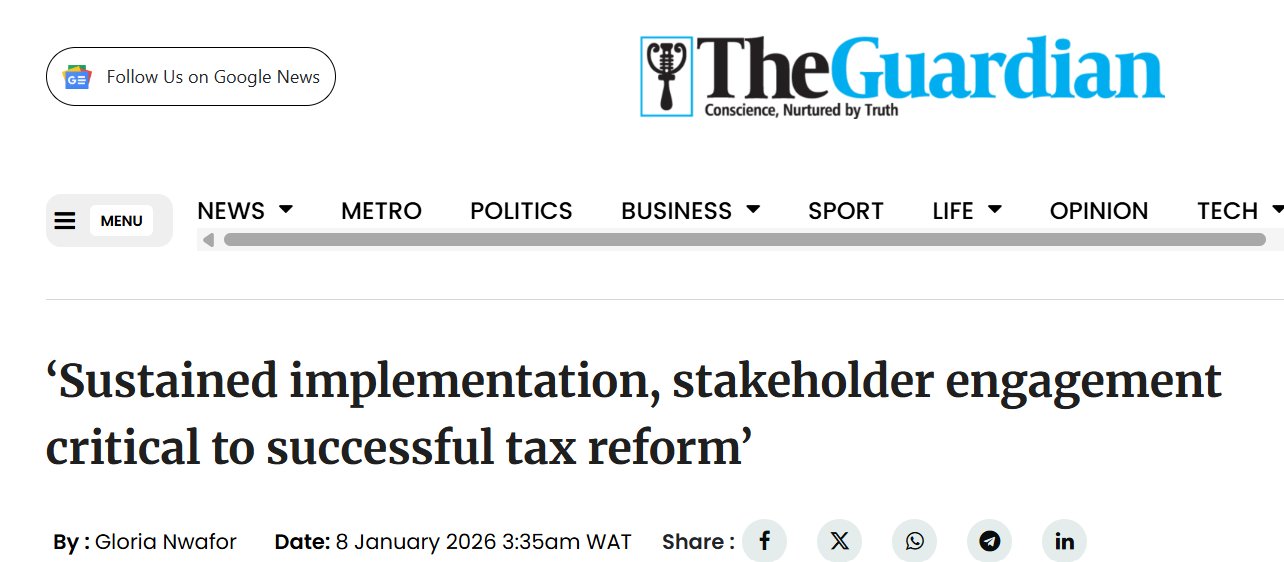
Source: The Nigerian Guardian
6. Citizen Engagement: A Layered, Data-Driven Approach
Public engagement is not a one-time visit to the TV studio or convening a press conference once in a while.. Effective engagement is tailored, accessible, and structured across multiple tiers of the community and target groups.
Modern public communication sets clear, measurable Key Performance Indicators (KPIs) across three distinct levels:
| Engagement Level | Focus | Primary Metric |
|---|---|---|
| 1. Awareness | Do citizens know the policy or service exists? | Reach, impressions, and message recall offline and online |
| 2. Behavior Change | Are citizens taking the intended action? | Program sign-ups, compliance rates, uptake, inquiries, public conversation |
| 3. Community Impact | Has the communication improved public outcomes? | Sentiment analysis, feedback surveys, social trust index; feedback from field officers, helplines, raw data on compliance or usage etc |
7. Public Engagement: Designing Communications Around the Citizen
To build a truly citizen-centric communication model, government agencies must meet people where they already are. This means designing engagement strategies around citizen convenience rather than bureaucratic preference.
- Whether through mobile-first digital channels, localized community meetings, or accessible multi-language platforms, public engagement must invite two-way dialogue.
- Listening to citizens is just as vital as speaking to them.
In Nigeria, the government appears to be much better at engaging at the grassroots than with digital communities and internet users who require a much more modern approach to governance and civil service and expect the government to benchmark its approach to what is obtainable in other parts of the world.
-
- Strategic communicators can help to fill this gap by helping government engage better with mobile first audiences and communities and avoid misinformation and online misconception.
-
- The public institutions have to strengthen their online presence and visibility and community engagement to be able to play this role of online mediation and trustbuilding effectively.
8. Awareness Creation: Driving Results and Civic Responsibility
Whether launching a public health initiative, promoting a new infrastructure program, or encouraging civic duties like voting or tax filing, awareness creation must be anchored in measurable outcomes.
- A successful campaign doesn’t just inform, it activates.
- By benchmarking baseline public knowledge and measuring post-campaign uptake, public sector communicators can prove the return on investment (ROI) of their communication strategies.
Moving from Information to Inspiration
- When public sector institutions transition from traditional PR to modern, strategic communications, governance becomes more collaborative, efficient, and humane.
By treating reputation as currency, policy as a story to be explained, and citizens as active partners, public communicators do more than just share information, they build strong, resilient communities; and preserve public trust for those moments when they would need it
Sola Abulu & Associates (SA&A) is a strategic communications consulting and training firm dedicated to enabling businesses, brands and institutions to achieve their desired objectives through strategic communication, organizational effectiveness and reputation risk management.
Enrolment is ongoing for the Public Sector, Policy & Political Communications Course scheduled for August 27, 2026 from 9AM – 4PM West Africa Time online via ZOOM.
Register here to join the session: https://www.