
Crisis Communications: Why Research, Data, and Analytics are Your Best Defense
Research and Data are important tools in effective crisis management. Without it, you would essentially be flying blind and depending on your internal assessment of a crisis situation. Which is most likely to be wrong and insufficient.
External perspective is gold in crisis management and research, data and analytics provide this opportunity.
It helps challenge internal bias and enables leaders to understand the scale and size of the problem they are faced with.
Most importantly, it can help assess the level of damage or residual reputation mop-up required after the media headlines quieten down.
Relying on internal perspectives alone in crisis management is a major risk. Managing a crisis without external data is essentially flying blind. Your internal assessment of a crisis is highly likely to be wrong, inadequate and insufficient.
Research, data and analytics helps crisis management, response and resolution in several ways:
- Challenging Bias
-
- External perspective is gold. Research and analytics challenge internal bias, helping leadership see the situation as it actually is, not how they wish it to be. Without data, you are likely to think the problem is not as bad as it seems, the true nature of the conversation or the extent of damage may not be visible until too late.
2. Understanding Scale
-
- Data helps you understand the scale and size of the problem. Is it a minor issue, a localized concern, or a systemic threat to your brand? Data – especially online data helps you understand the scale of what is going on. Without analytics, it would be impossible to determine where, when and how the conversation is taking place and growing across audiences, stakeholder groups and in the public space. Especially if dealing with a misinformation campaign, you are able to determine where the problem is coming from and deal with it decisively.
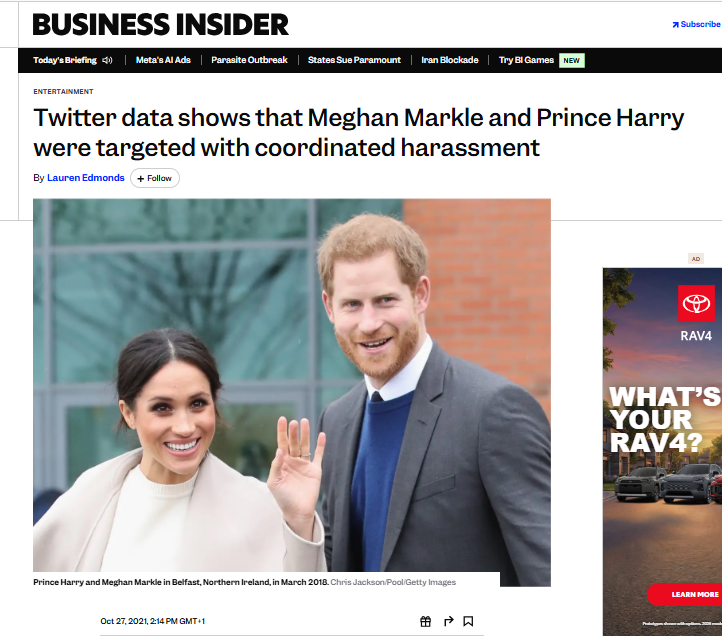
- For instance in 2021, an analysis of Twitter Data carried out by Bot Sentinel, a Twitter data service showed that it was coordinated harassment and not organic public backlash as it was publicly being painted to by some segments of the UK and international media at the time. This would have been impossible to detect from front end viewing or manual review of the daily barrage of tweets : Souce – Business Insider
3. The Residual Damage
Most importantly, research helps assess the level of damage and residual reputation “mop-up” required after the media headlines have quietened down. It helps determine what needs to be done to restore or repair reputation. The quiet that follows after a crisis has simmered down is deceptive. It gives the impression that all is well.
A throough data review would assess how well the response performed throughout the life-cycle and if there was adequate coverage across all areas to address the expressed concerns. The danger is if there was no conclusive resolution in the minds of the public, the incident would remain as a reputation stain against the brand and can be used as an attack point in future.
Sola Abulu & Associates (SA&A) is a strategy and communications consulting and training firm based in Lagos, Nigeria.
To learn more about crisis communications, contact us on training@solaabuluassociates.com