
What is Marketing Communications?
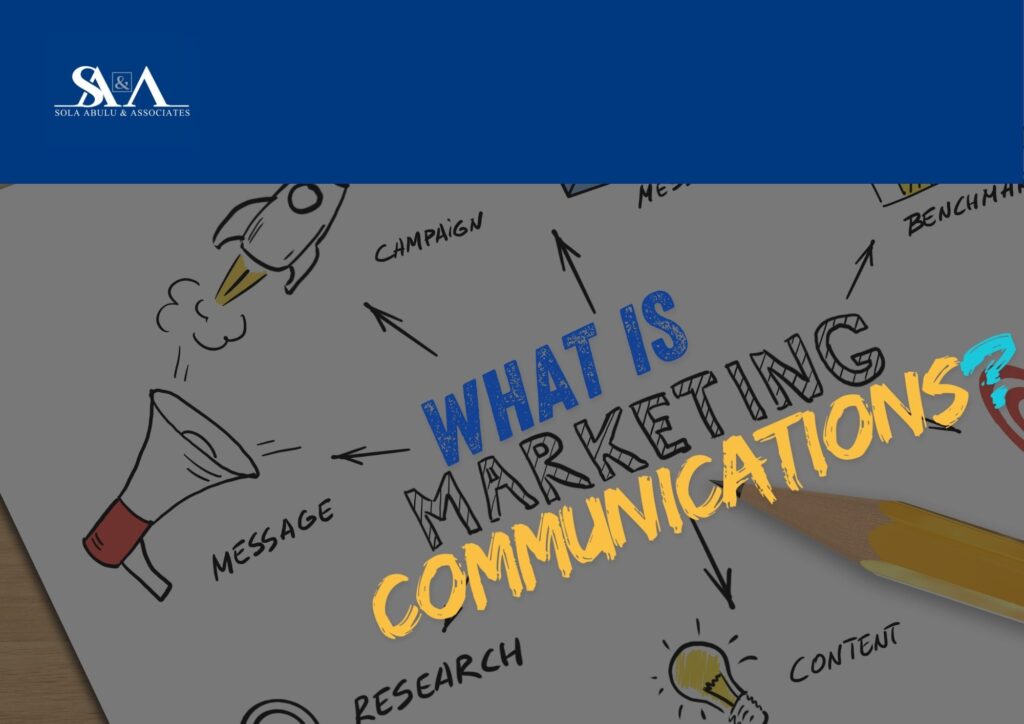
Marketing Communications can be defined as the way in which a business, brand or organization creates awareness about its brand, products, services, initiatives, innovations and agendas. To understand marketing communications properly, there is a need to understand the concept of marketing and how it relates to sales and the value chain as a whole.
Marketing is the process by which a business or brand creates demand or stimulates appetite for a product, service, initiative and agenda. Although the term marketing is always used in a commercial or transactional context, it is important to note that the word connotes every sort of initiative that requires targeting a specific audience or market to create awareness about a product or service or event/agenda – towards the purpose of securing buy-in, support, enrolment, volunteering or outright purchases of the product, candidate or event that is being “marketed”.
Marketing communications is therefore the way by which the business or the brand creates awareness, stimulates appetite for the program, project or initiative towarsd the ultimate goal of getting the target market to sign up for it as required.
This therefore means that without marketing communications enables and supports the process of marketing. It is important to understand this concept because this enables a structured approach to communications that rests fully upon the marketing process, insights, objectives and outcomes
And let us look at this in practical terms
Marketing has 3 major stages
Awareness – This is the first stage of the marketing funnel – when the product, service or event is introduced to the market through a series of pre-planned events, announcements, campaigns, posts, statements, videos etc. Marketing communications is the sum total of the strategic thinking about the choice of communications tools, channels and platforms that would be deployed – as well as the way in which the message would be crafted and deployed to reach the target audience in order to achieve desired outcomes.
Consideration – This phase is when the potential buyer or target audience is considering the message received and trying to make a decision as to whether or not to sign-up, enrol, purchase or attend an event or activity. This phase applies even in political communications. There is a phase when voters begin to review the information, messages and communications received about the competing candidates and begin to mentally consider who to vote for. There is a marketing phase in every agenda or initiative that is carried out by a business, brand or institution and it is important to apply the right marketing communications approach to the process rather than treating like any other communications.
*Marketing communications is always active. It is designed to stimulate action in a pre-determined direction. The ability to know what precisely is needed in terms of messaging, content and communications strategy is what determines the level of success achieved.
Conversion – This is the phase when the target audience makes the decision to enrol, make a purchase, vote for a candidate or seal a transaction. And marketing communications enables this process through targeted approaches as well.
The point to make here is that there are different objectives for each of these phases and this should reflect in the communication i.e. as people move through the marketing funnel, the messaging needs to be adapted and targeted even further to meet the needs of those in the each specific phase.
Tips for Marketing Communications Specialists
- For example, in the awareness phase – you would require launch videos, campaign blasts, note from CEOs – all set in introductory and welcoming tone and language. The messaging would highlight the most important things to know and do as well as include an inspirational tone that makes the target audience feel like this initiative is something worth supporting, enrolling, funding or becoming a part of. And enough information must be provided for those who would be willing to, to go further down the marketing funnel to find out more from the business and the brand.
- In consideration phase, you would need to have more explanatory content to enable the audience to move further down the marketing funnel. You would also consider dealing directly with this group – rather than working through bulk messaging – which could have been acceptable in the awareness phase. In conversion phase – a more personal touch is required because the audience has demonstrated interest in your products, services or initiative and has taken action to either complete a sign-up form, attend an event, contact the company to follow up on the communication earlier received – or make a price inquiry.
- In conversion phase, you would need to supply all the information required to close the deal. Communication would be even more targeted and focused on direct messaging with content that is personalized as much as possible. Communication in this phase must also be interactive and give opportunity for response and feedback.